10 steps after a car accident while waiting for a tow truck
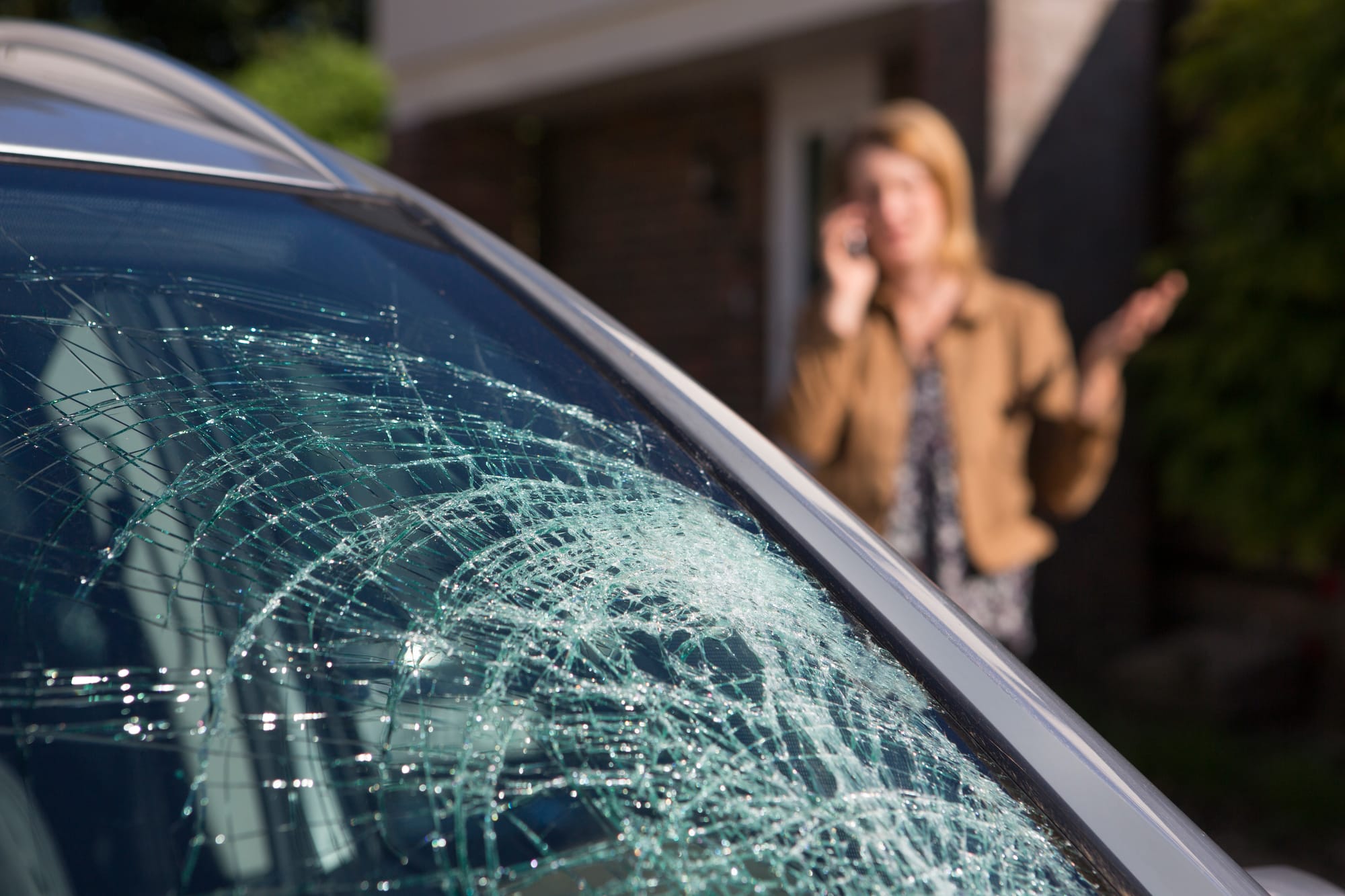
A traffic accident is a stressful event that leaves no one indifferent. Regardless of whether it is a minor contact or a more serious collision, the moment after impact is critical for your safety and legal certainty. Many drivers react impulsively or panic at those moments, which can lead to additional complications. That is exactly why it is important to have a clear plan of action. Team Šlep Služba Surčin - Komljenović has prepared a detailed guide on how to stay calm and take the right steps while waiting for professional help on the road.
1. Stop the vehicle and secure the scene of the accident . The first and most important thing to do is to stop the vehicle immediately. Even if you think the damage is negligible, fleeing the scene is a serious offense. Turn on all four blinkers to warn other road users. Before you get out of your car, check your surroundings to avoid being hit by another moving vehicle. Put on a reflective vest that should always be within reach in the cabin, not in the trunk under a pile of stuff.
2. Checking injuries and calling emergency services . Immediately after securing the vehicle, check whether you or your passengers are injured. If there are injuries, call the emergency number 194. Do not move seriously injured persons unless there is an immediate danger of fire or explosion. After that, call the police on number 192, because an official note from the police is often a necessary condition for claiming insurance damages, especially if there are several vehicles involved in the accident or there are injuries.
3. Setting up the safety triangle . Securing the site involves setting up a safety triangle. Outside the populated area, the triangle is placed at a distance of at least 50 meters from the vehicle, while in the city, this distance can be smaller, but sufficient for other drivers to slow down in time. If visibility is reduced due to fog or night, be even more careful. This is a crucial step that prevents new accidents at the same location.
4. Assessment of material damage and photography . While you wait for the police or tow truck to arrive, use the time to document the situation. Smartphones are the perfect tool for this. Photograph vehicles from multiple angles, close-up shots of damage, but also a wider picture of the intersection or road where the accident occurred. Make a note of brake marks, possible obstacles on the road or damaged traffic signals. These photos will serve as irrefutable evidence in the compensation procedure.
5. Exchange of information with other participants . Stay calm and participate in the exchange of data with another driver. Record the following information: name and surname, phone number, ID number, vehicle registration number, car make and model, and insurance policy number. Avoid conflicts and unnecessary discussions about guilt on the spot. The police and insurance companies are in charge of determining liability, and your aggressiveness can only make the situation worse.
6. Completing the European traffic accident report . If it is a matter of minor material damage and both drivers agree on the circumstances of the accident, you can fill in the European report. This document allows for a faster procedure without the direct involvement of the police in terms of conducting an investigation, but it is still advisable to consult with the insurance. Be careful when filling in, because one wrongly marked section can create problems when paying damages.
7. Finding witnesses . If there are people who saw the moment of the collision, ask them for their contact information. Witnesses can be crucial if the statements of the participants later do not match. Their view of the situation often helps the police to determine the sequence of events more precisely,